
On Monday, March 16, we had our first Agile Kitchen session of 2026 at Spoor 18 in Mechelen. Rather than exploring frameworks or scaling models, this session focused on introspection. Agile coaches, consultants, team leads, and changemakers addressed a common frustration: the tension between their roles and the impact they hope to achieve.
We invited participants to drop their professional personas, leading to an evening of deep, honest reflection.
The pain behind the posture
Many agile professionals know the feeling. You are hired for your vision, but only expected to align, support, and facilitate. You can get stuck in retrospective loops that go nowhere. Sometimes, you play the changemaker while the system resists real progress.
The core question driving this session was raw and relatable:
F*ck surface-level change and endless fire-fighting. How do I make a real impact in my role?
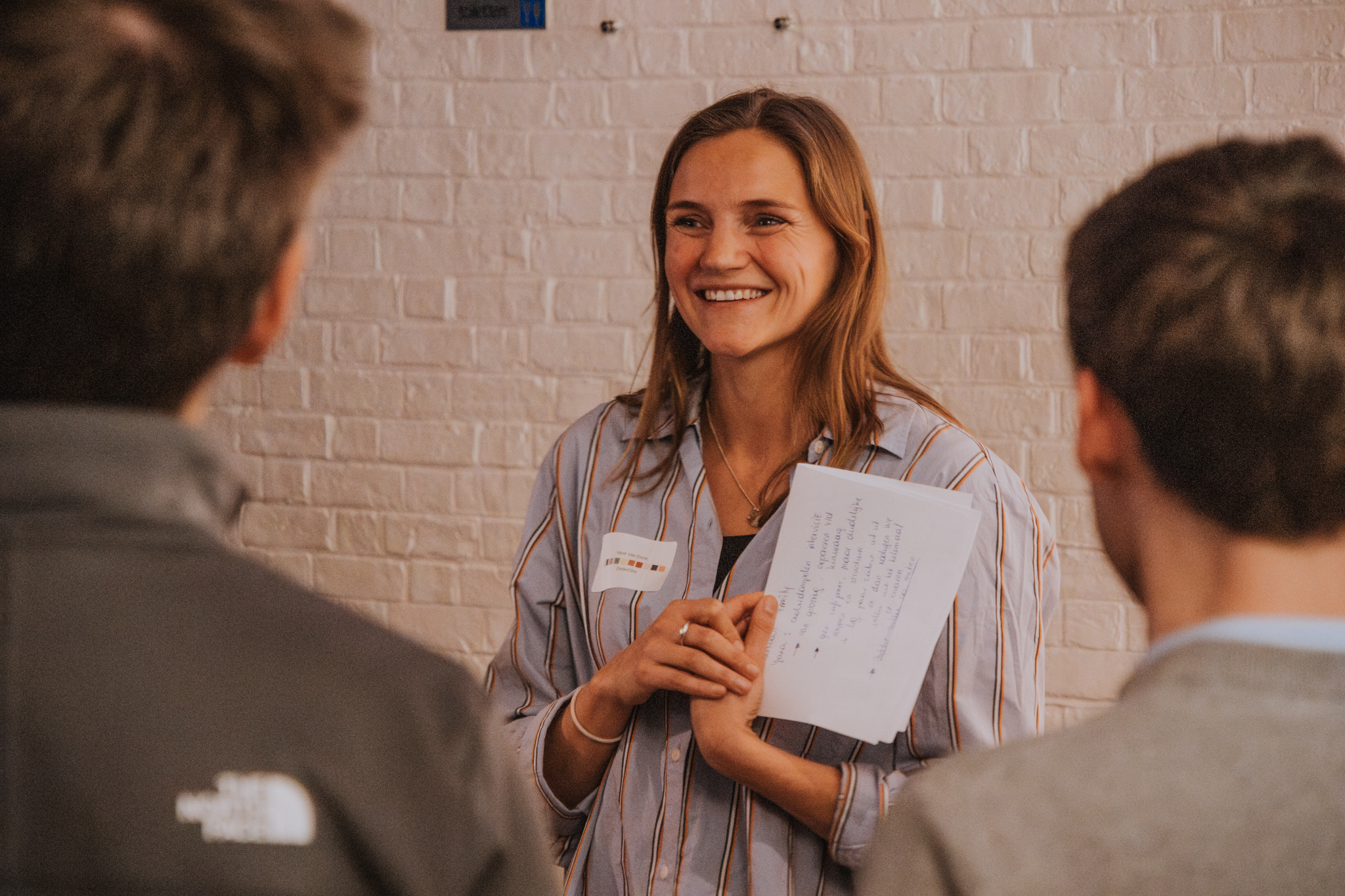
Participants openly explored the daily challenges of their roles:
- How to challenge the very system you are hired to protect.
- How to deal with decision-makers who invite you in, but block real progress.
- How to bring truth and clarity without burning out.
- How to stay connected to your authentic self while playing a corporate role.
The approach: How intervision creates breakthroughs
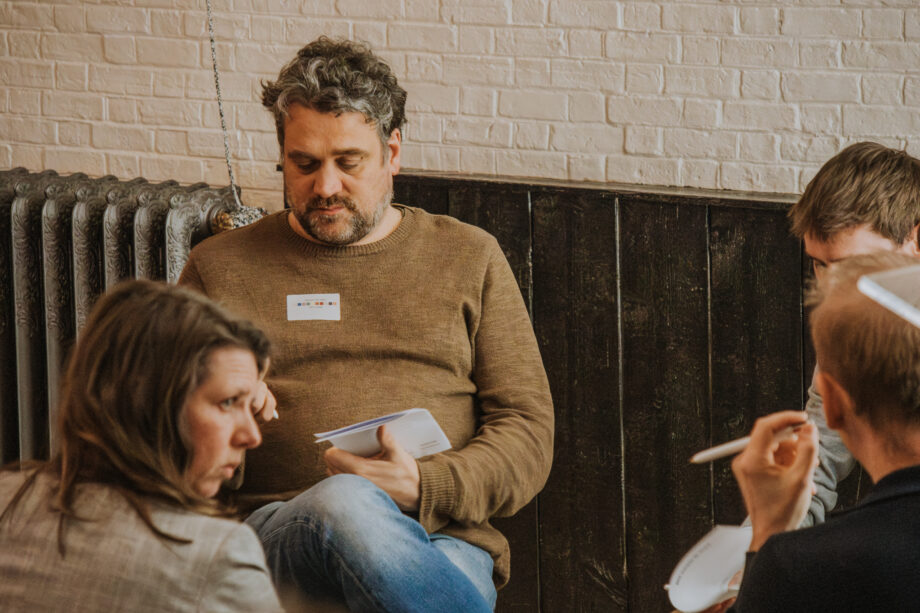
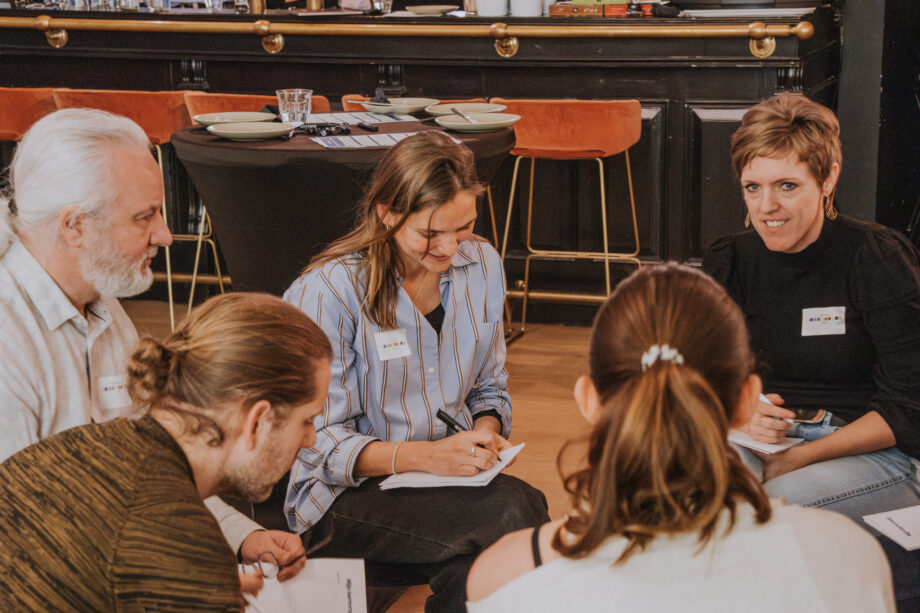
Because this session was about peeling back the layers, a traditional presentation would not have worked. Instead, we relied on the power of intervision. Participants did not sit in an audience. Instead, they split into small, guided peer-learning circles of no more than six people. This setup changed the room’s dynamic. There was no stage to hide behind and no generic advice to rely on.
Each group worked with real cases or situations from participants. These were moments when things felt stuck, leadership was misaligned, or questions remained unanswered.
While intervision feels deeply personal, it is actually a highly structured facilitation technique. To make this concrete, our facilitators guided the groups through these five explicit steps:
1. Welcome and landing
Starting with a short check-in and clearly explaining the ground rules. This creates a safe space where everyone can speak openly, and where listening is just as important as speaking.
2. Clarifying roles:
Every circle needs a case presenter to share their situation, a group to explore different perspectives, and a facilitator to safeguard the process, timing, and depth of the conversation. The facilitator may occasionally pause the conversation to ensure the group gets to the core of the issue.
3. Step-by-step exploration:
The group collects cases based on a core “How can I…?” question and votes on which to tackle. This is followed by an exploratory round of open questions to the case presenter, before exploring assumptions, perspectives, and tips from the group. Throughout this, the facilitator remains attentive to psychological safety.
4. The power of questions:
The goal is to help the case presenter gain new insights and avoid jumping to judgments or solutions. The group acts as a mirror by asking curious questions like, “What is the risk if you don’t do this?” or “What beliefs do you hold about this situation?”.
5. Check-out:
To close, the case presenter shares what was valuable and answers a crucial question: “What concrete step will you take based on this insight?”. Others can also briefly share what they learned before thanking everyone for their openness.
This structured approach proved that you do not need a clever new tool to get unstuck. Sometimes, you just need the right space, a clear process, and the right questions to look at your own role with fresh eyes.
Guided by the right facilitators
Creating a safe space for this level of vulnerability takes immense skill. We worked with facilitators from The Family, a Belgian peer-learning collective specializing in creating reflective spaces for leaders and changemakers.
Thank you to the facilitators who skillfully guided the circles and created space for these conversations:
- Yana Van Dorst (OnderOns)
- Mathias Lamiroy (Rubicon)
- Rafaëla Askraba (World of People)
- Dorien Baele (Turbobreinen)
- Jill De Ranter (Rubicon)
Their ability to steer the dialogue away from superficial complaining and toward constructive, deep reflection was the catalyst for the evening’s success.
A shift in the room
The energy in the room during and after the intervision circles said it all. Participants were open, engaged, and fully present.
The feedback we received, both in person and in later comments on LinkedIn, showed how special this edition was. Professionals who often feel isolated in their organizations found immense relief; they realized they are not alone in their struggles. People left not with a list of best practices, but with renewed clarity, a deeper connection to their peers, and a strengthened reflective practice for their teams.
Ongoing, authentic conversations extended into networking.






Join the next Agile Kitchen
We want to thank everyone who showed up, brought their stories, and contributed to such a meaningful start to 2026.
If you missed this edition, do not worry. The next Agile Kitchen session is already in the making. Follow us on LinkedIn or subscribe to our newsletter to make sure you secure your spot.